
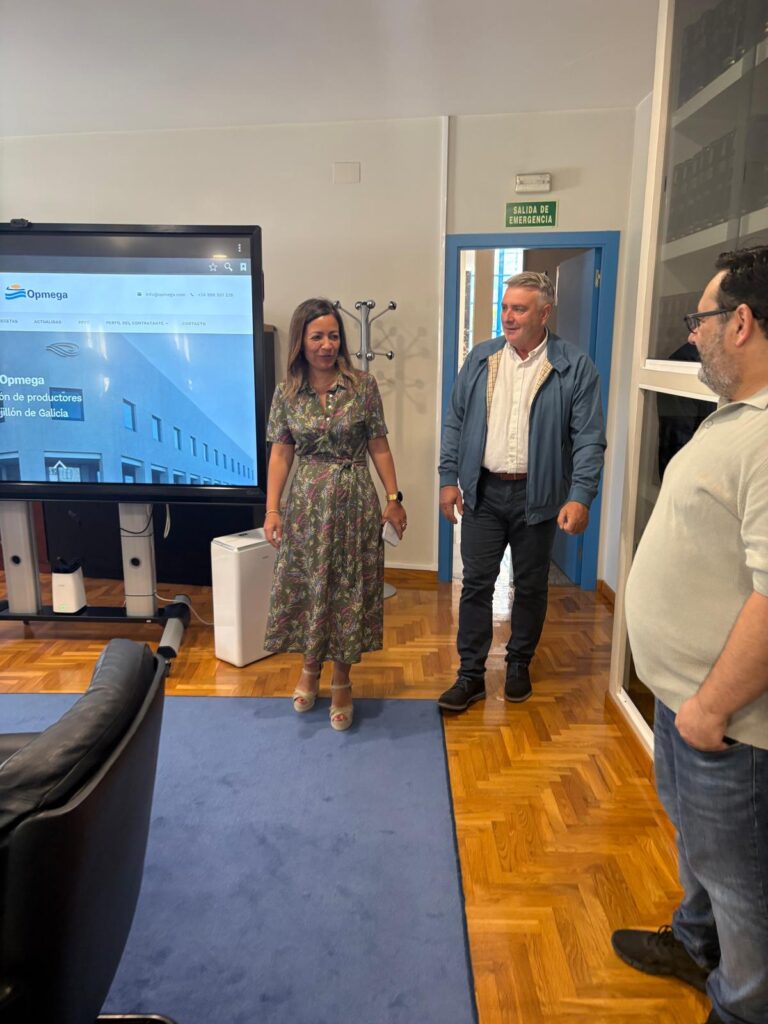
Presentation of the study: Valuation of ecosystem services
OPMEGA PRESENTS A REPORT TO THE REGIONAL MINISTER FOR THE SEA SHOWING THAT MUSSEL RAFTS ARE AN ENVIRONMENTAL ASSET FOR THE RÍAS
At the organisation’s headquarters in Vilagarcía, the authors of the study explained the conclusions of a report quantifying the ecosystem benefits of mussel farming
Opmega’s board of directors took part in the meeting, which highlighted the contribution of mussel rafts to water quality, the low carbon footprint of mussels and the identity of the Rías Baixas
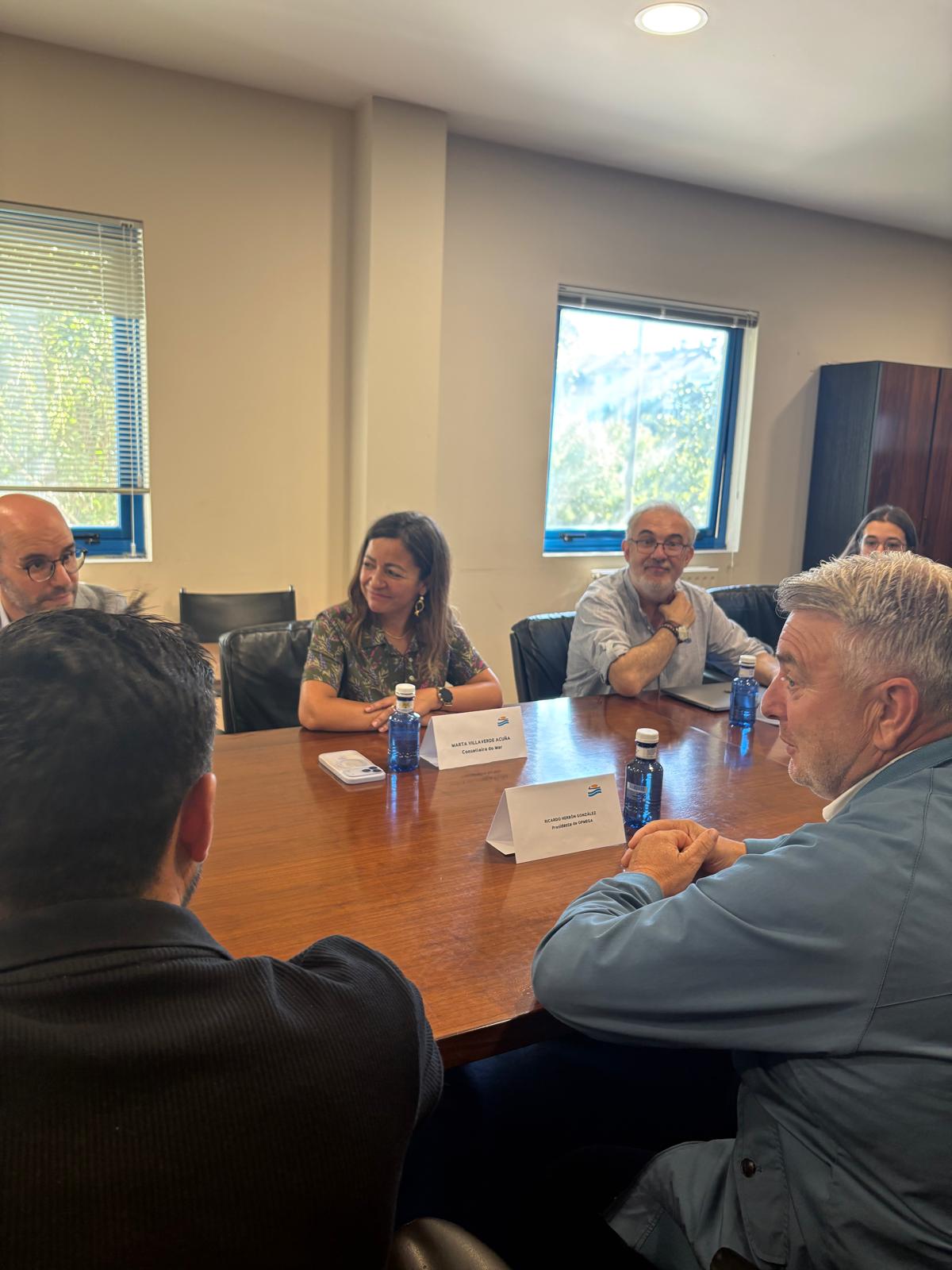
Vilagarcía de Arousa, 1 July 2026. Opmega presented to the Regional Minister for the Sea, Marta Villaverde, the report quantifying the environmental value of mussel rafts and demonstrating, on a scientific basis, that mussel farming is an ally of the Galician Rías. The presentation took place at the organisation’s headquarters in Vilagarcía de Arousa, attended by the authors of the study and Opmega’s board of directors, led by its chairman, Ricardo Herbón.
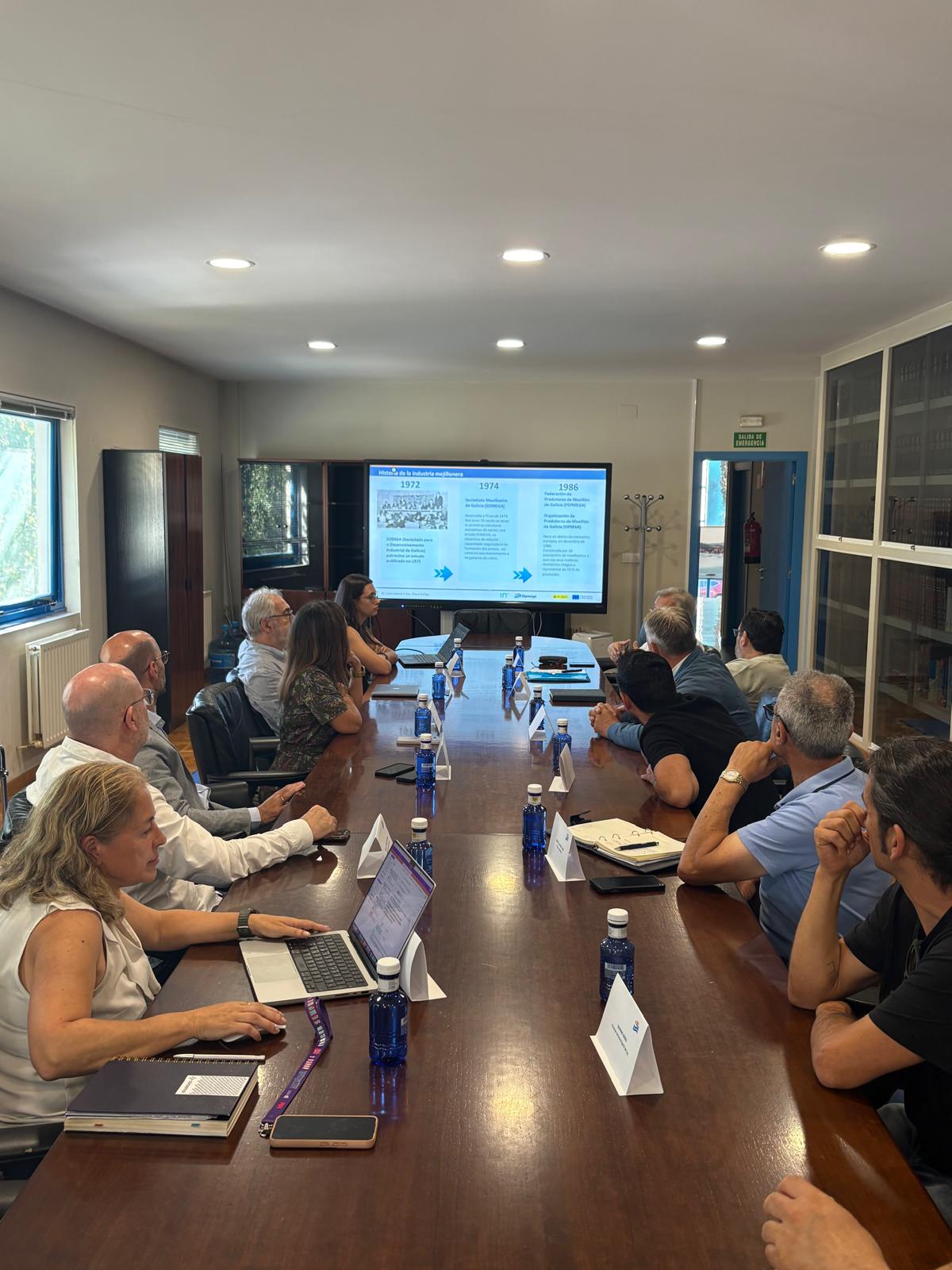
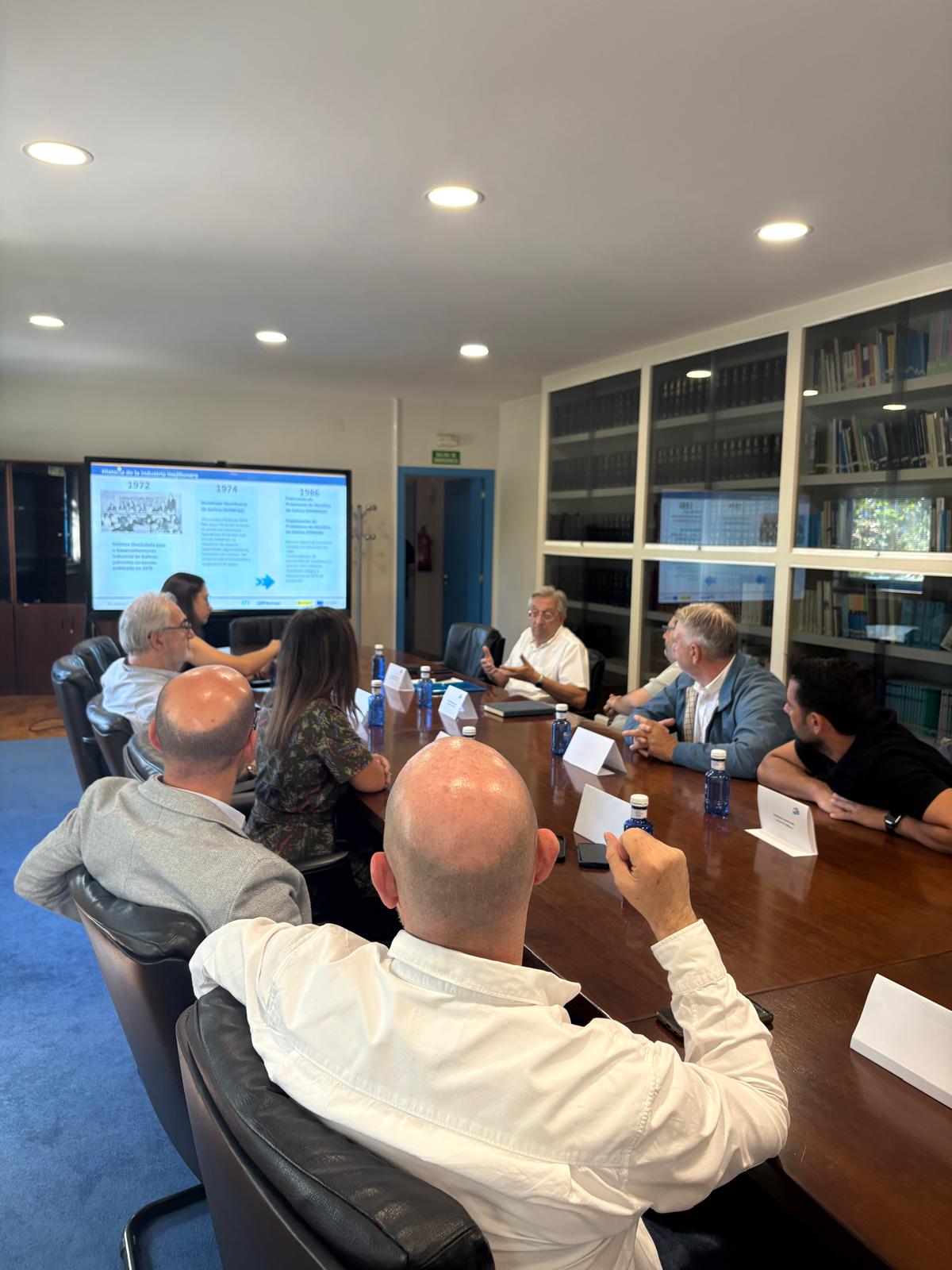
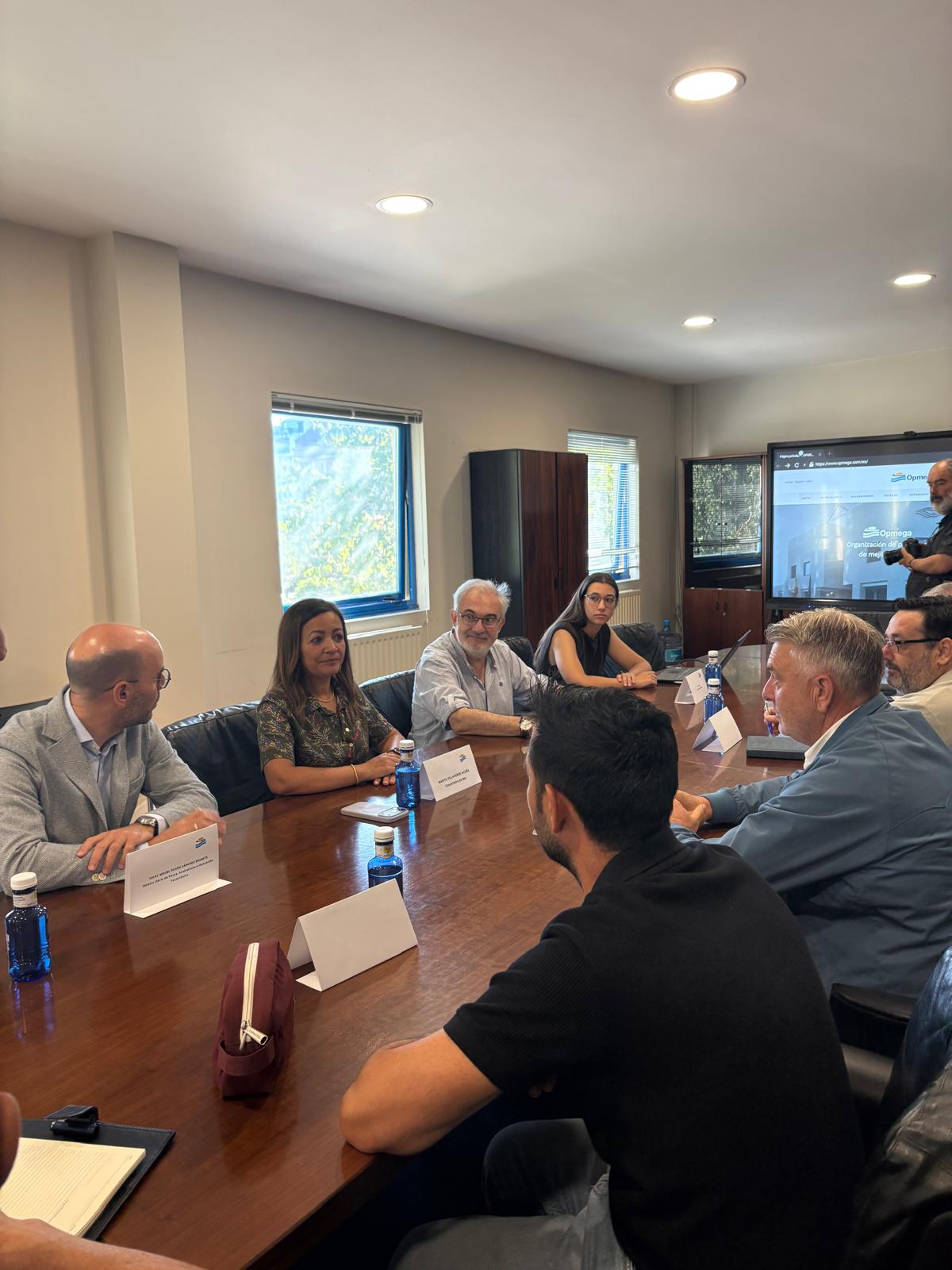
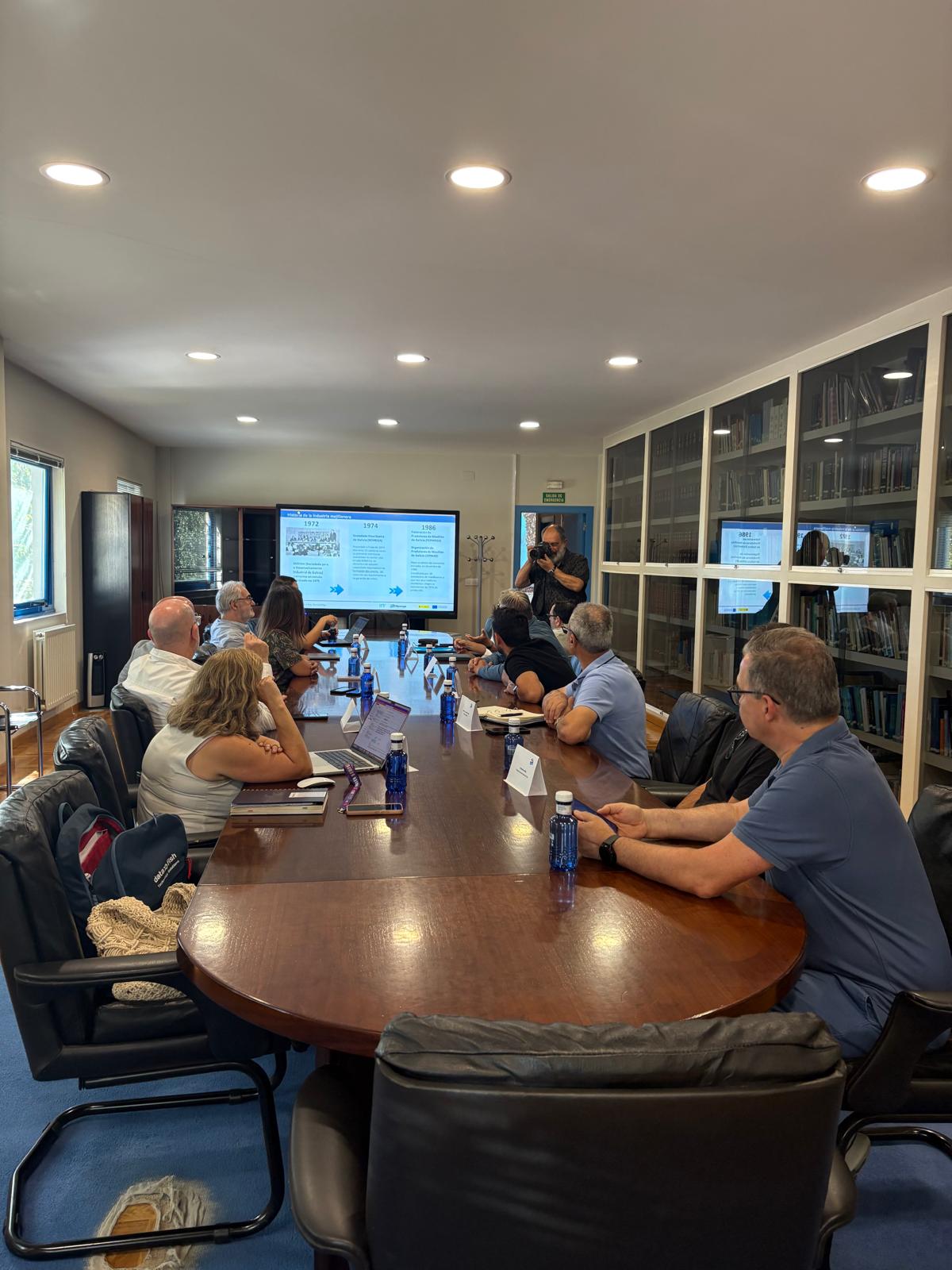
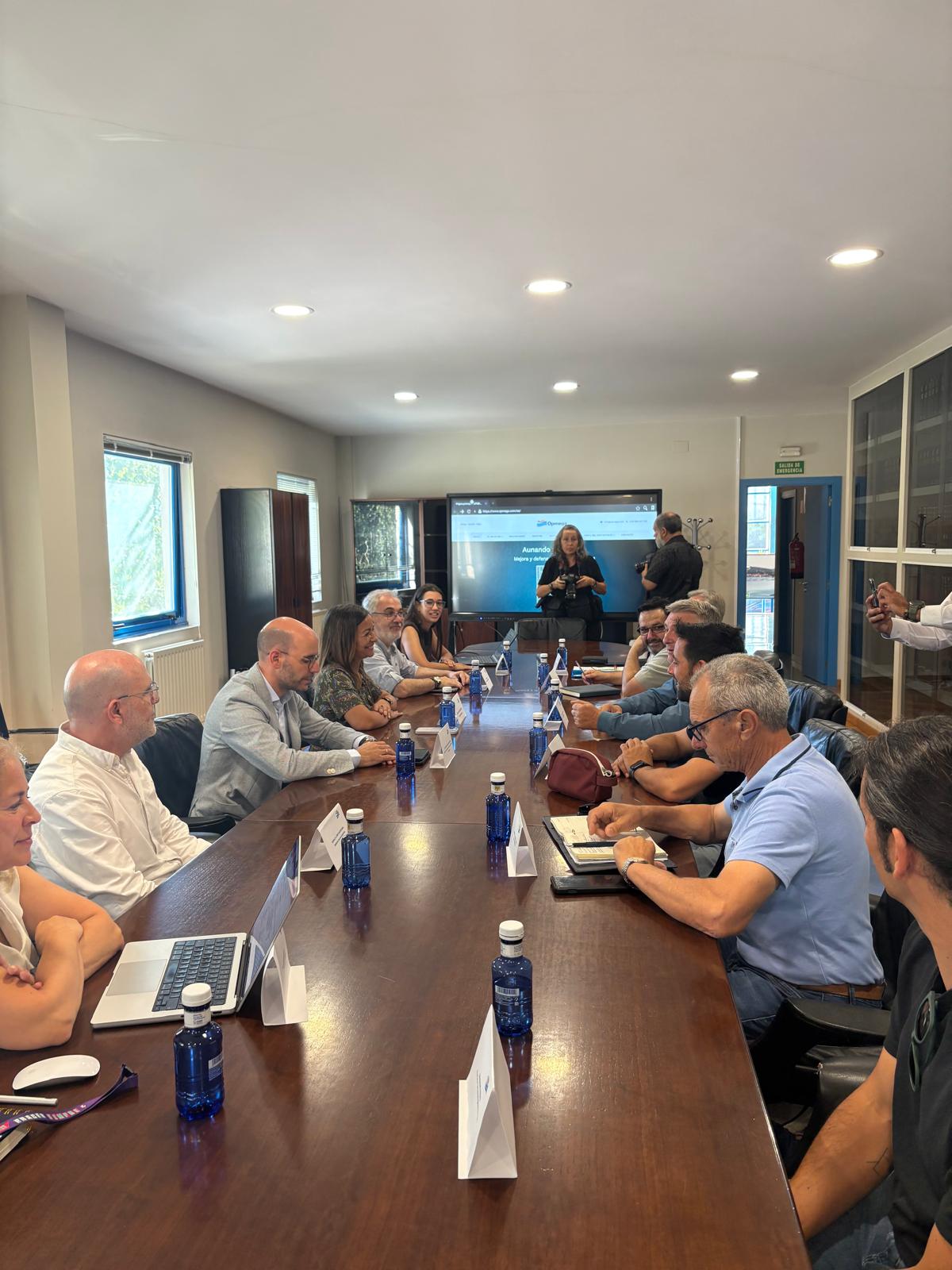
The study, entitled ‘Mussel farming: a sustainable activity. Assessment of the ecosystem services provided by Opmega’s mussel farming’, was carried out by researcher X. Antón Á. Salgado, from the CSIC’s Institute of Marine Research (IIM-CSIC), and by consultant Ana Vila, from INXENIA, with the collaboration of J. Severino P. Ibánhez and Nicolás Villacieros Robineau, also from the IIM-CSIC. The project forms part of the organisation’s operational plan and is co-funded by the European Union.
During the meeting, the authors explained to the regional minister the main conclusions of a report which, for the first time, comprehensively measures the benefits that mussel rafts generate beyond food production. The study analyses four categories of ecosystem services – provisioning, regulating, supporting and cultural – and puts figures to a reality that the sector has been advocating for years: mussel rafts produce mussels, but they also help to maintain the health of the estuaries.
Among its conclusions, the report highlights the mussel’s capacity as a sustainable source of protein, with a carbon footprint far lower than that of other animal sources; the contribution of mussel rafts to water quality through filtration and nutrient retention; the value of the shell as a usable resource in sectors such as agriculture and construction; and their role as an alkaline reserve against ocean acidification.
The study also analyses the protective effect of mussel rafts on the coastline and their contribution to tourism, maritime culture and the identity of the Rías Baixas. For Opmega, these findings reinforce the need for public authorities to take into account the environmental, economic and social value of mussel farming when designing public policies for aquaculture and the management of the rías.
Opmega welcomed the visit by the Regional Minister for the Sea to the organisation’s headquarters as a sign of institutional interest in this type of work. The organisation also emphasised the importance of recognising the environmental value of the mussel rafts and incorporating this into the public debate on the future of the rías.