
Sustainnability indicators of mussel cultivation
Galician mussel farming, a pillar of sustainability and innovation that secures the future of the Galician estuaries
__∧_________________________________________________________________________________________
- Two pioneering studies highlight the economic, social and environmental impact of mussel farming in Galicia, underlining its role as a model of sustainability and innovation in the face of the challenges of climate change.
- With more than 8,000 direct jobs, Galician mussels reaffirm their global leadership thanks to the sector’s commitment to science and sustainabilit.
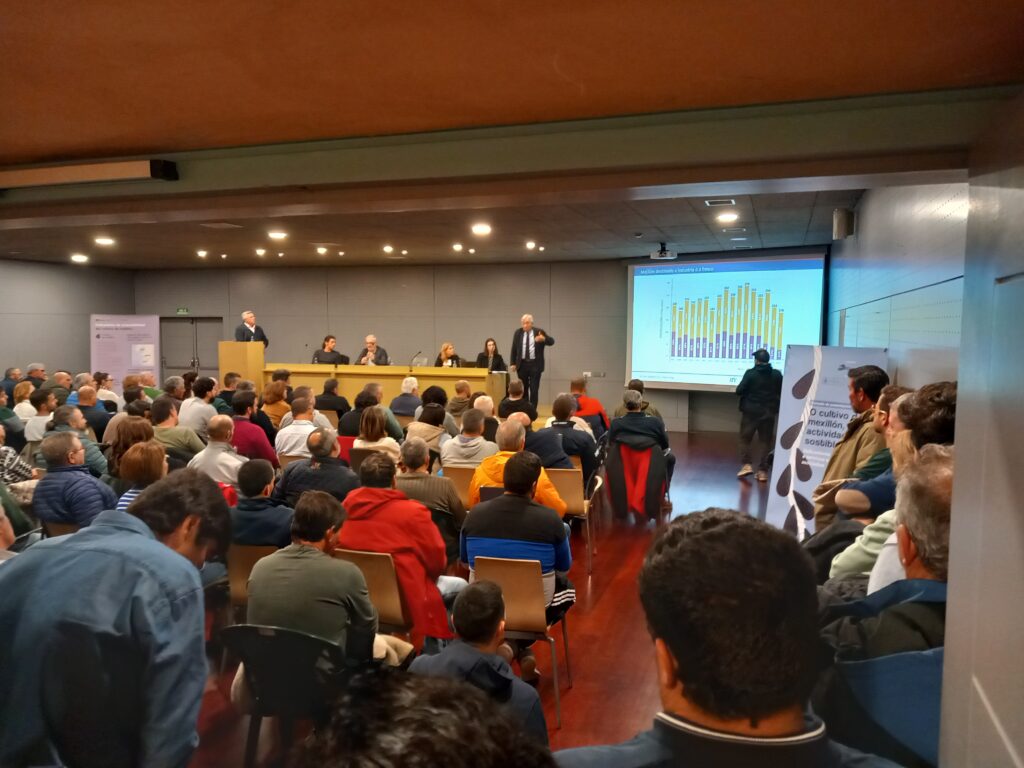
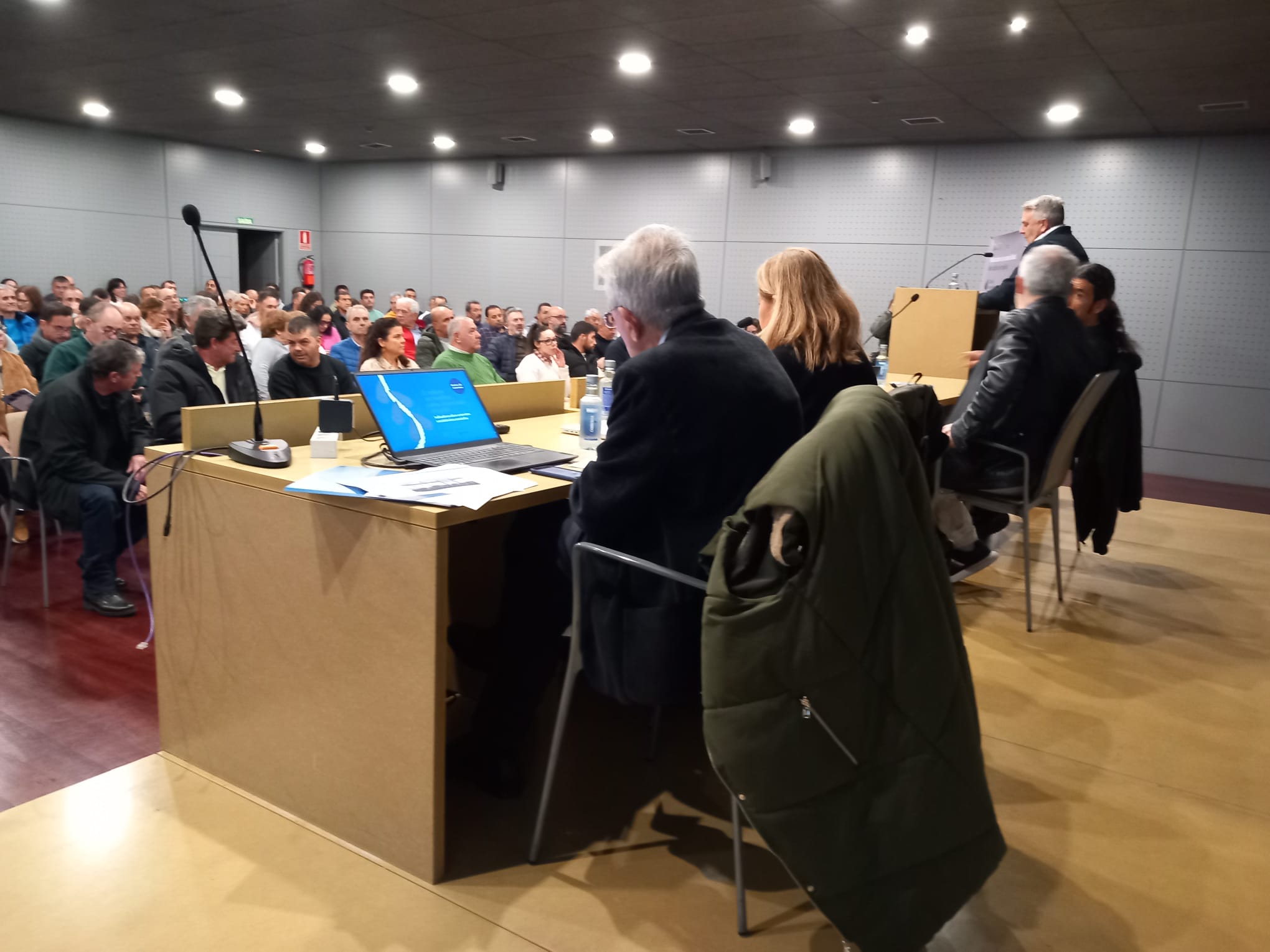
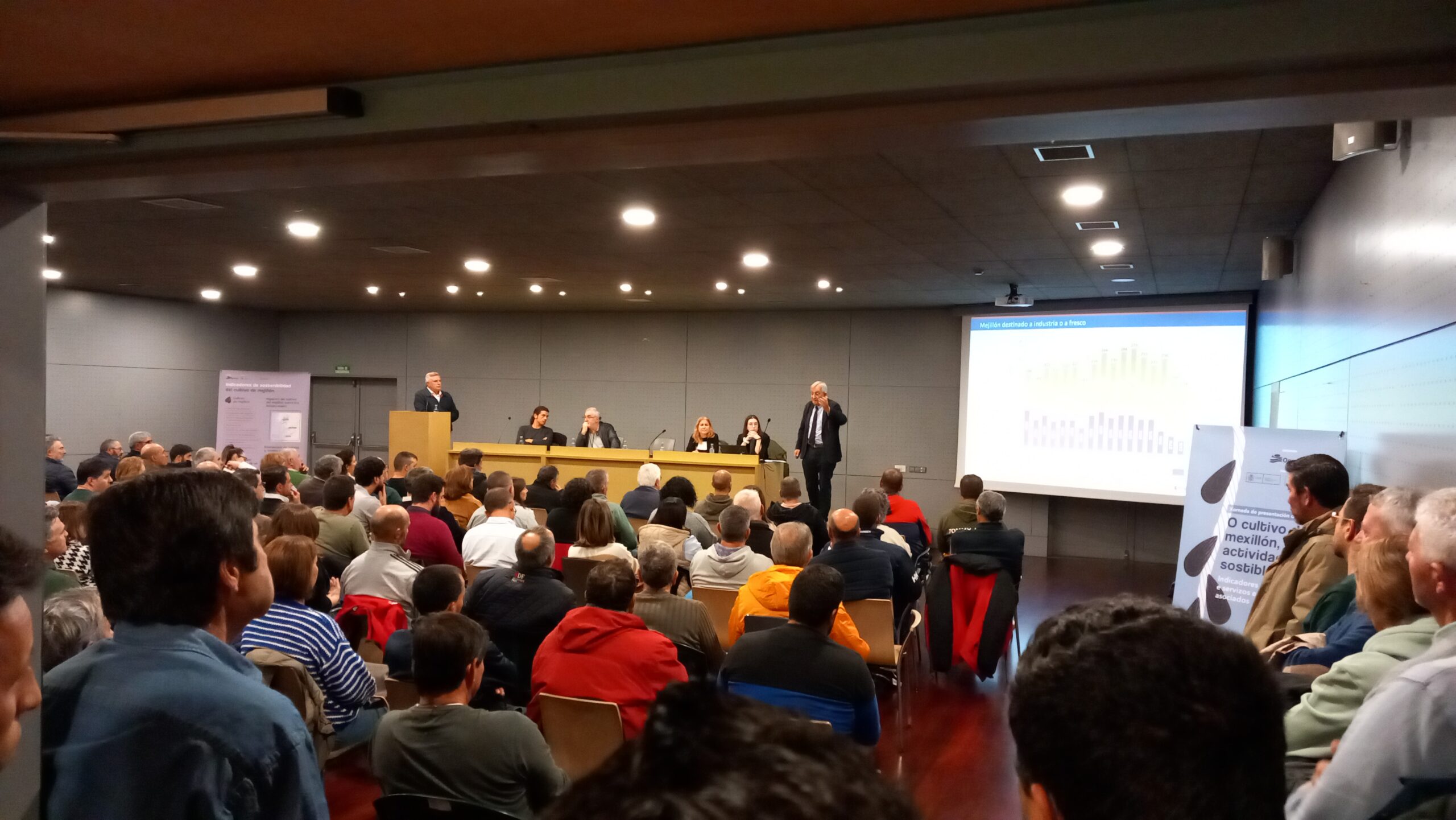
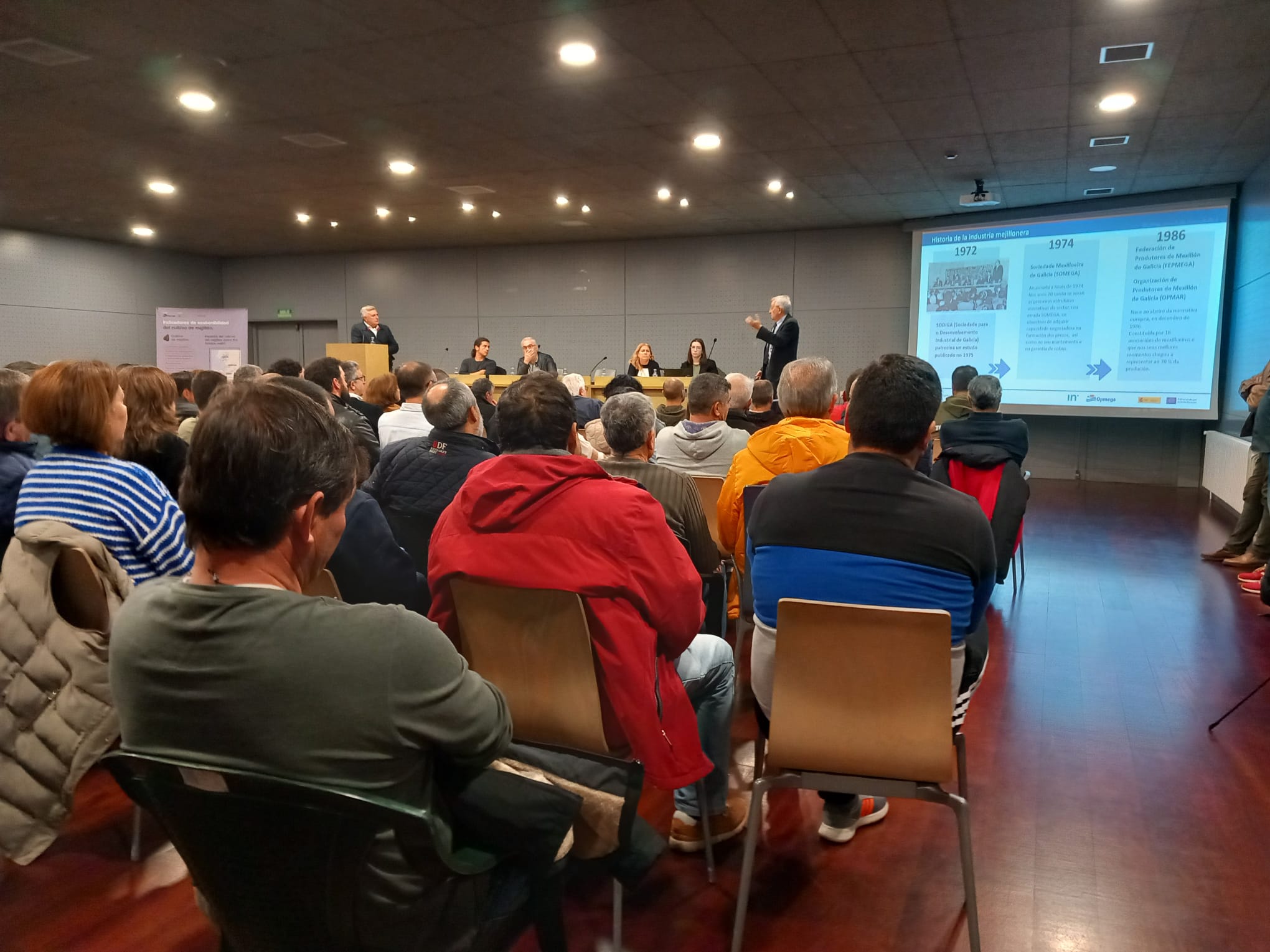
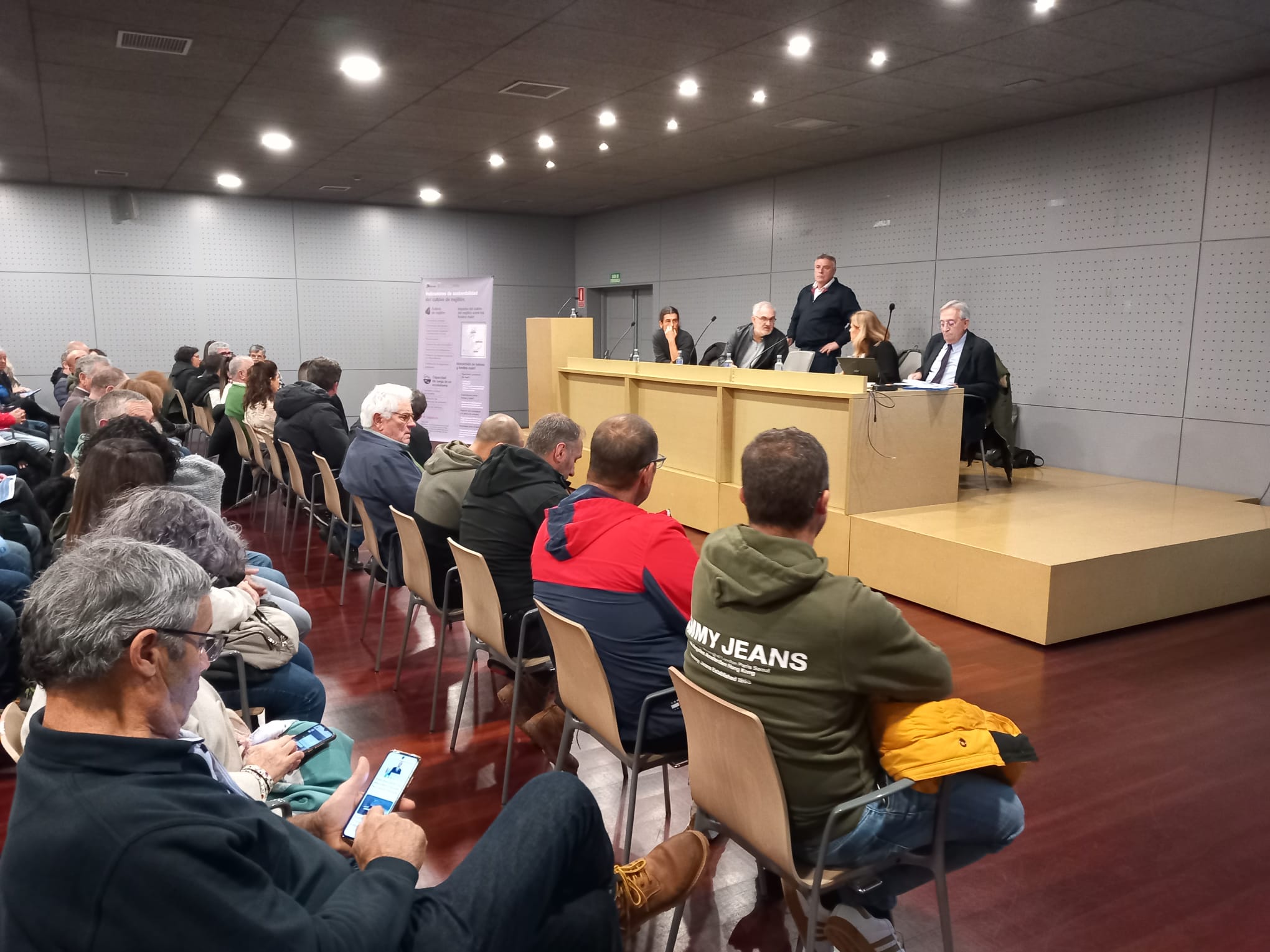
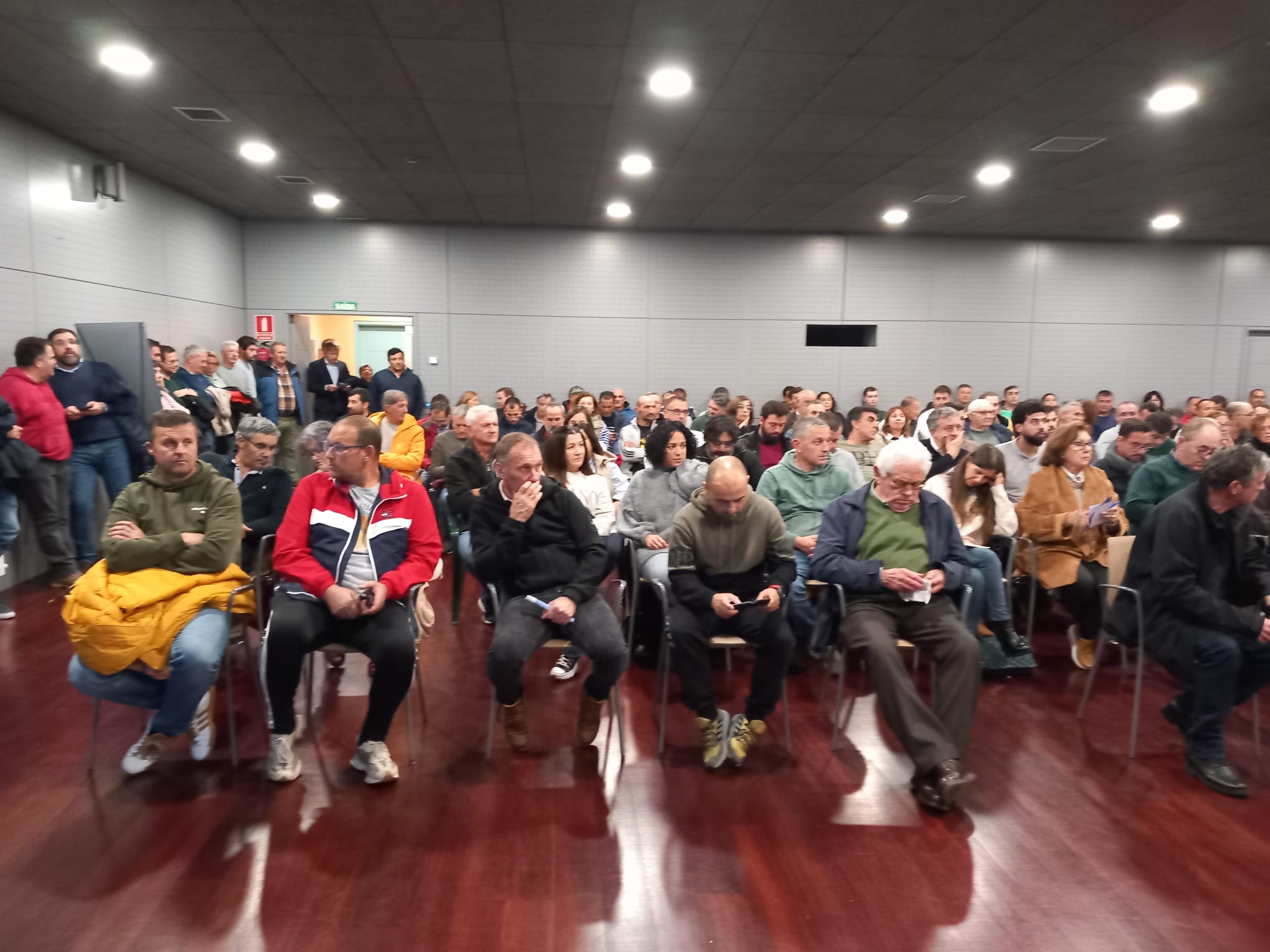
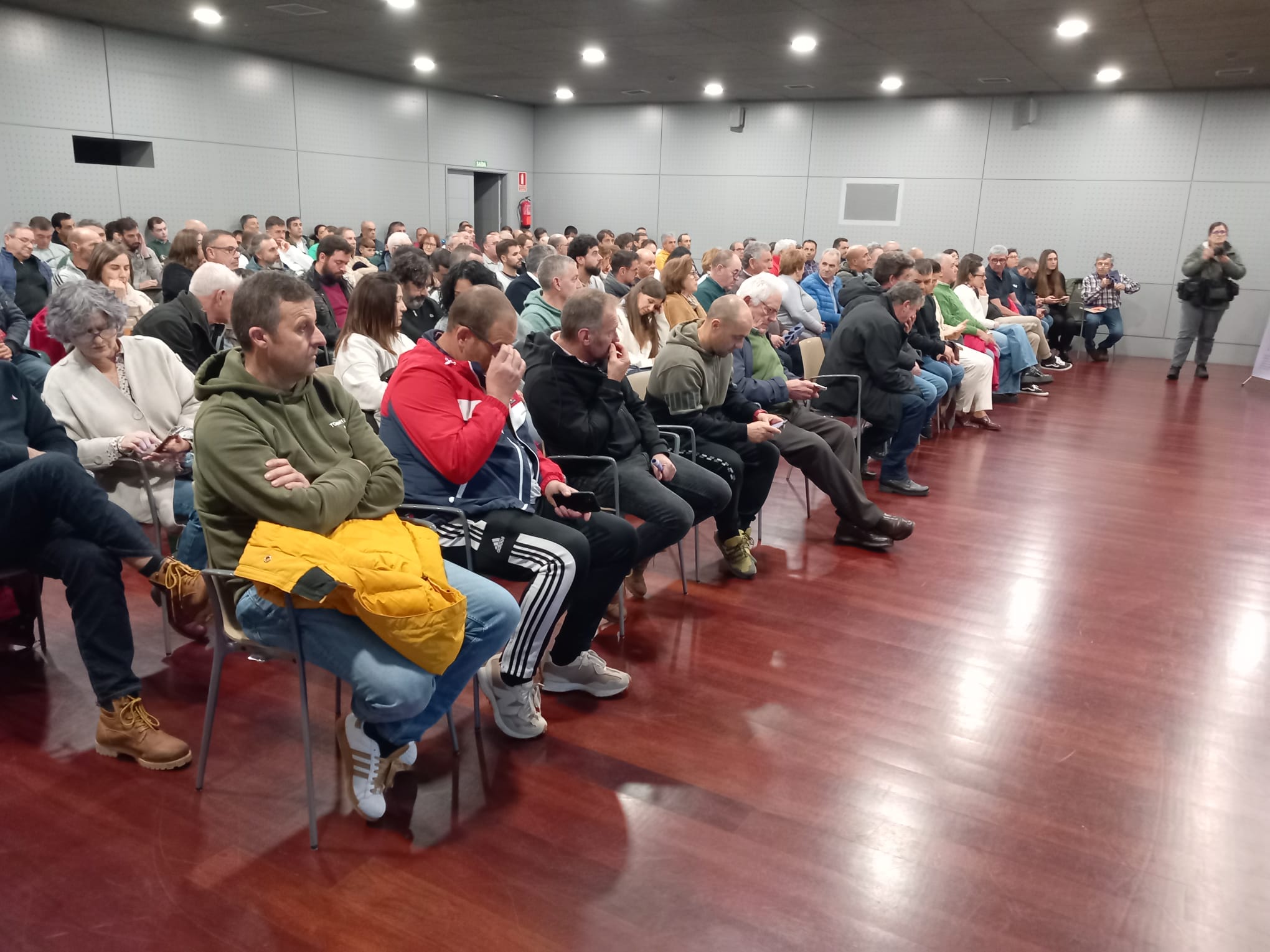
Vilagarcía de Arousa, 26 November 2024. ‘Mussel farming is the economic, social and cultural soul of our estuaries. With research and sustainability, we will ensure its future for generations to come’, said Ricardo Herbón, president of the Organisation of Galician Mussel Producers (Opmega), at the opening of the working day held today in the Auditorium of Vilagarcía de Arousa. The meeting served to present to the sector the results of two research projects that reinforce the organisation’s commitment to sustainability and innovation.
Both studies, carried out by teams of renowned experts, highlight the sustainability and innovative capacity of mussel farming, underlining its economic, social and environmental impact. The first report, entitled ‘Indicadores de Sostenibilidad del Cultivo de Mejillón’, prepared by Diana Zúñiga and Uxío Labarta in collaboration with Inxenia Desarrollos Tecnológicos S.L., analyses the balance between the carrying capacity of the Galician estuaries and the current production of mussels. The second report, ‘Ecosystem Services Provided by Cultivated Mussels’, directed by Antón Álvarez Salgado (IIM-CSIC), Severino P. Ibánhez (IIM-CSIC), Ana Vila, Ruth Iglesias, Isabel Fuentes and Nicolás V Robineau, highlights the role of mussels as an ecological and economic engine.
Main conclusions of the work:
1-Sustainability indicators of mussel farming.
The first of the reports confirms that the Galician estuaries have an extraordinary capacity to sustain mussel farming thanks to their coastal upwelling system, which provides essential nutrients. However, it points out that long-term sustainability will depend on the management of the sector, as well as adaptive strategies in the face of climate change.
Seed and uptake: The importance of seed availability is highlighted, recommending the use of predictive models to improve uptake efficiency in catchments and natural areas.
Impact of climate change: Alterations in wind patterns and extreme events could influence mussel reproductive cycles, requiring resilient strategies to ensure production stability.
2-Ecosystem services provided by mussel cultivation
This second study highlights that mussels are not only an economic resource, but also an ecological and social pillar that provides multiple benefits:
Provisioning services: Each year, the culture produces 16,000 tonnes of protein (enough for 900,000 people) and 41,200 tonnes of calcium carbonate, used in agriculture and industry.
Environmental regulation: Mussels act as great filter feeders – we are talking about 30% of the water in the estuaries. In addition, the preservation of bio-deposits and the reuse of shells can significantly reduce carbon emissions.
Cultural and support services: The rafts favour biodiversity by creating marine habitats and play a key role in coastal protection, as well as being a symbol of Galicia’s gastronomic and cultural heritage.
A strategic sector that wants to safeguard its future
Both works underline that mussel farming is essential for Galicia, generating more than 8,000 direct jobs. During the conference, the participants had the opportunity to interact with the scientists and discuss how this research can serve as a guide to face the challenges of climate change and strengthen the competitiveness of the sector in a global market.
‘Galician mussels are not just a product, they are a sustainable model that connects economy, environment and culture’, said Uxío Labarta, while Antón Álvarez Salgado stressed that mussel farming not only generates wealth, but also protects and improves coastal ecosystems.
The two reports promoted by Opmega have been financed by the Ministry of Agriculture, Fisheries and Food and the European Maritime Fund for Fisheries and Aquaculture, as part of the organisation’s Production and Marketing Plan 2024. The conference concluded with the sector’s commitment to continue investing in science and innovation to guarantee a sustainable production model that maintains Galicia as an international leader in mussel farming.